


Solving the affordable housing crisis: The promise and challenges of office conversions
The affordable housing crisis is a multifaceted issue plaguing many urban areas across the United States. In total, the U.S. market-rate housing stock is undersupplied by an estimated 7 million-plus units.
The crisis takes different forms across different metros and, accordingly, there is no magic bullet for addressing the shortage of affordable housing. Instead, a range of creative solutions must be employed, both at scale and tailored to the needs and challenges of each rental market.
One innovative solution gaining traction is the conversion of office buildings into residential units. This approach not only addresses the surplus of unused office space, particularly post-pandemic, but also helps to mitigate the severe shortage of affordable housing. The current thesis for office conversions is straightforward, built on two basic pillars:
- More housing is sorely needed, as discussed. Many aging office assets are in transit-rich locations and proximate to jobs for many core workforce functions (e.g. construction, medicine and hospital operations, etc.)
- Traditional office space is less and less needed. With hybrid and fully remote work only accelerating, old school offices are out of fashion, perhaps permanently. Both this trend and a new higher interest rate regime have hurt office occupancy, with values falling 50% or more in some pockets of the market.
These are big buildings in key locations in densely packed cities. In addition to an affordable housing crisis, many cities with dwindling office occupancy also face dwindling tax revenue from downtown areas that are rapidly seeing less activity. From this standpoint, giving aging office assets a second life feels absolutely essential.
The current landscape
The COVID-19 pandemic has dramatically reshaped the commercial real estate landscape. With the shift to remote work, many office buildings remain underutilized. Vacancy rates for office spaces in major cities have soared, creating an opportunity to repurpose these spaces for residential use. This trend is particularly evident in cities like New York, San Francisco and Chicago, where high vacancy rates coincide with acute housing shortages.
Benefits of office-to-residential conversions
- Utilization of existing structures: Converting office spaces into residential units leverages existing infrastructure, reducing the need for new construction. This can be more cost-effective and environmentally friendly than building new housing from scratch.
- Economic revitalization: These conversions can breathe new life into underutilized urban areas. By bringing residents into downtown areas, local economies can benefit from increased spending on services, retail and dining.
- Speed of implementation: Compared to new construction projects, conversions can be completed relatively quickly, providing a faster response to housing shortages.
- Sustainability: Repurposing buildings can contribute to sustainability goals by reducing the carbon footprint associated with demolition and new construction.
One key consideration when it comes to environmental impacts: the time value of emissions matters. Pursuing high-efficiency insulation, HVAC and energy solutions in housing development must be prioritized.
However, these measures reduce the emissions impact of the built environment over a longer timeframe. The “cradle to gate” phase of building a new structure — the sourcing and manufacture of building materials — accounts for an estimated 65-85% of the building’s carbon impact. And this impact happens in the near term. Deconstructing an obsolete structure contributes an additional estimated 3-15% of total carbon emissions. (Not to mention the complexity of destroying and removing a large building from a dense city.)
This means that repurposing a large building, giving it a second life, could carry huge positive impact as far as the time-weighted carbon impact of adding to our housing stock.
Challenges and considerations
While office-to-residential conversions offer numerous benefits, they are not without challenges:
- Zoning and regulatory hurdles: Many cities have strict zoning laws that separate commercial and residential uses. Adjusting these regulations can be a complex and time-consuming process.
- Building design and suitability: Not all office buildings are suitable for residential conversion. Factors such as floor layout, window placement, and structural integrity must be carefully evaluated.
- Financial viability: The cost of conversion must be weighed against potential rental income. In some cases, the financials may not support the investment required for conversion.
- Community impact: It is essential to consider the impact on the existing community. Conversions should aim to provide genuinely affordable housing and not just high-end apartments that do not address the needs of low- and middle-income residents.
The biggest hurdle is simply the math of financing and investing in these projects. With interest rates elevated and the model still relatively untested, office conversions are not yet being financed at scale. Traditional lenders, during this period of balance sheet-tightening, may be reluctant to underwrite a strategy that they view as unproven.
Alternative sources of capital, such as real estate investment and finance platforms like EquityMultiple, may be best positioned to step in, working with forward-thinking developers and/or operating as a private lender to help finance office conversions. (Individual investors may therefore be able to participate at relatively low minimums.)
Case studies
While the concept is relatively unproven, office conversions are not merely the stuff of fantasy. Several successful office-to-residential conversion projects highlight the potential of this approach:
- New York City: The conversion of the former Verizon Building at 375 Pearl Street into affordable housing units is a prime example. This project transformed a largely vacant office tower into hundreds of residential units, addressing both office surplus and housing demand.
- San Francisco: The Pacific Gas & Electric Company’s former headquarters at 245 Market Street has been repurposed into residential units, blending historical architecture with modern housing needs.
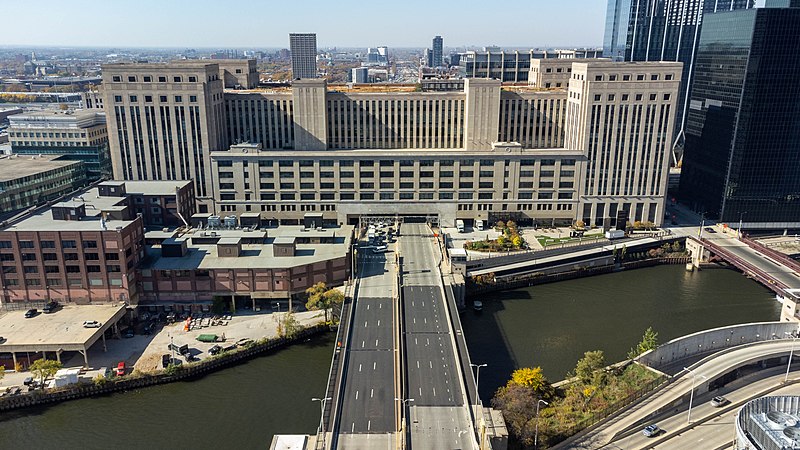
- Chicago: The Old Main Post Office, a historic landmark, is undergoing conversion into a mixed-use development, including residential units. This project showcases the potential for preserving architectural heritage while meeting contemporary housing demands.
Policy recommendations
To facilitate more office-to-residential conversions, policymakers should consider the following:
- Flexible zoning regulations: Cities should adopt more flexible zoning laws that allow for mixed-use developments and easier conversion of commercial spaces into residential units.
- Incentives for developers: Tax incentives, grants and low-interest loans can encourage developers to undertake conversion projects, particularly those aimed at creating affordable housing.
- Streamlined approval processes: Simplifying and expediting the permitting and approval process for conversion projects can help accelerate the development of new housing units.
- Public-private partnerships: Collaborations between government agencies and private developers can pool resources and expertise to tackle the housing crisis more effectively.
Conclusion
Office-to-residential conversions present a promising solution to the affordable housing crisis. By repurposing underutilized office spaces, cities can address housing shortages more efficiently and sustainably. However, to fully realize the potential of this approach, it is essential to navigate regulatory challenges, ensure financial viability, and prioritize the needs of the community.
With the right policies and incentives in place, office conversions could become a cornerstone of urban housing strategies, providing much-needed relief to cities grappling with housing affordability issues.
Read more: Integrating affordable housing, social justice and the environment

Read Next


